 Focus Eco Center
Can the EU help change the food supply system?
Others
Can the EU help change the food supply system?
The aims of the EU Green Deal include influencing food supply policies and reducing the impact of food production, processing and distribution on climate change. An important objective of this approach is to shorten food chains and establish short food supply chains through the Farm to Fork strategy.
However, this process is not as simple as it may first appear. Food production and distribution are currently driven by the free market and the pursuit of profit, and are effectively controlled by the major players in the food industry.
Consumers, meanwhile, are guided by consumption habits motivated both by readily available, affordable products and by the values of consumer society, which encourage quantity over quality-oriented choices.
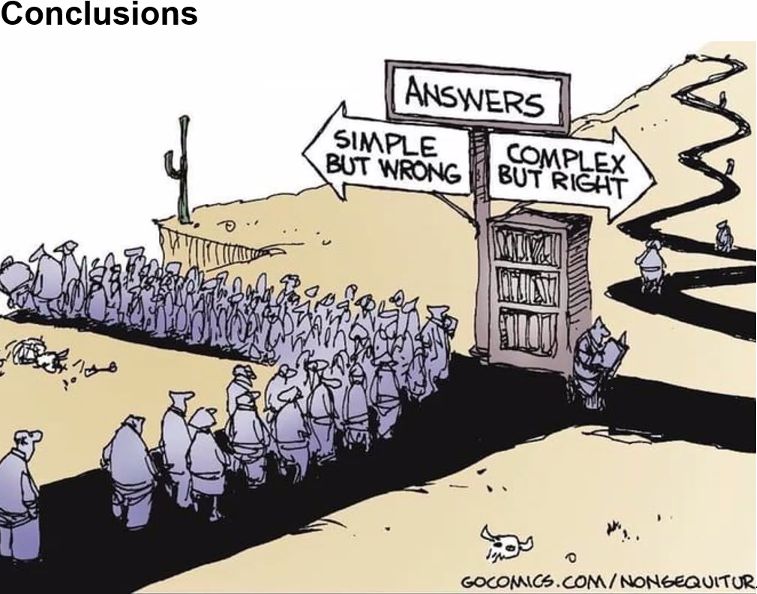
If we wait for the market to change as a result of consumers making climate-conscious choices, we will probably have a long wait. Most consumers seek simple solutions and follow the majority without taking the time to investigate the consequences of their decisions thoroughly.
To achieve significant change, national and local strategies must be developed to implement the EU strategy.
Probably the most important step would be to develop a local food strategy, led by local authorities. This strategy should encourage relationships between consumers and producers and connect urban consumers with rural producers near the city. In the past, this connection was established through urban markets, which served as the main meeting point between farmers and urban consumers. Today, however, these markets no longer fulfil their traditional role, as fewer and fewer primary producers and more and more resellers sell there.
What would intervention by local authorities involve, and what would the new strategy be based on? First, they should establish regulations to guide both consumers and producers, and then create the appropriate infrastructure. Local authorities should participate actively in this project by setting up a specialist department to facilitate and monitor the implementation of the strategy.
There are already working models, such as the AMAP system in France, that can provide inspiration and demonstrate how short supply chains coordinated by local authorities can work effectively. The system to be developed would build on existing information technology systems, which are highly effective in enabling communication between the parties concerned. In many cases, producers already use these tools to sell their products, but managing production and sales at the same time appears to demand too much effort from many producers, who give up farming.
The systems proposed in the Farm to Fork strategy can only be implemented with small producers, yet this type of producer is on the brink of disappearing because they cannot survive in the current economic system. Local authorities must take responsibility for changing the present food system, which is economically profitable for major players but environmentally and socially unsustainable. There is clearly political will at EU level, and targeted financial instruments are available. Without the commitment and involvement of local stakeholders, however, this strategy cannot be implemented.

Updates