 Focus Eco Center
22 March is World Water Day, but do we have reason to celebrate this year?
Water management
22 March is World Water Day, but do we have reason to celebrate this year?
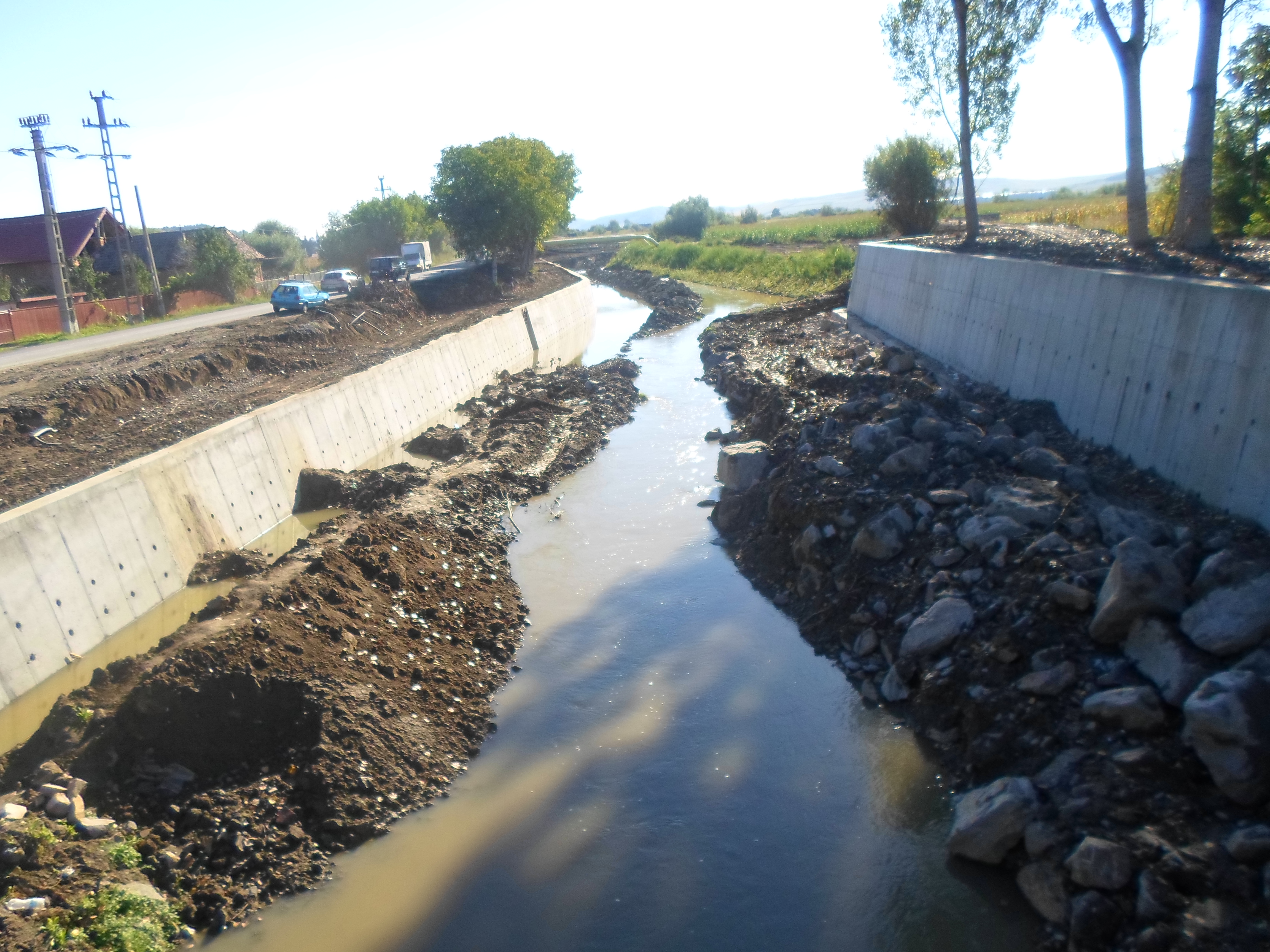
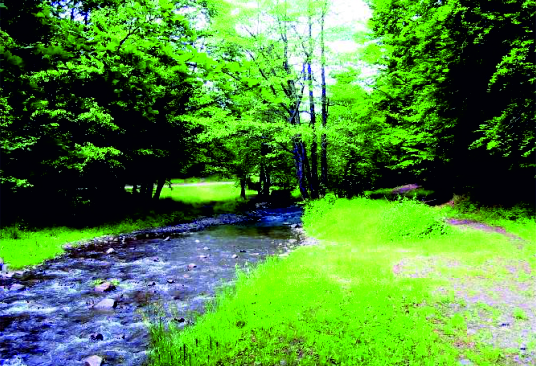
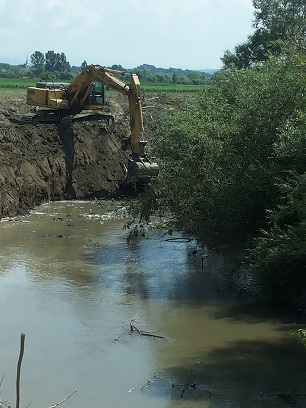
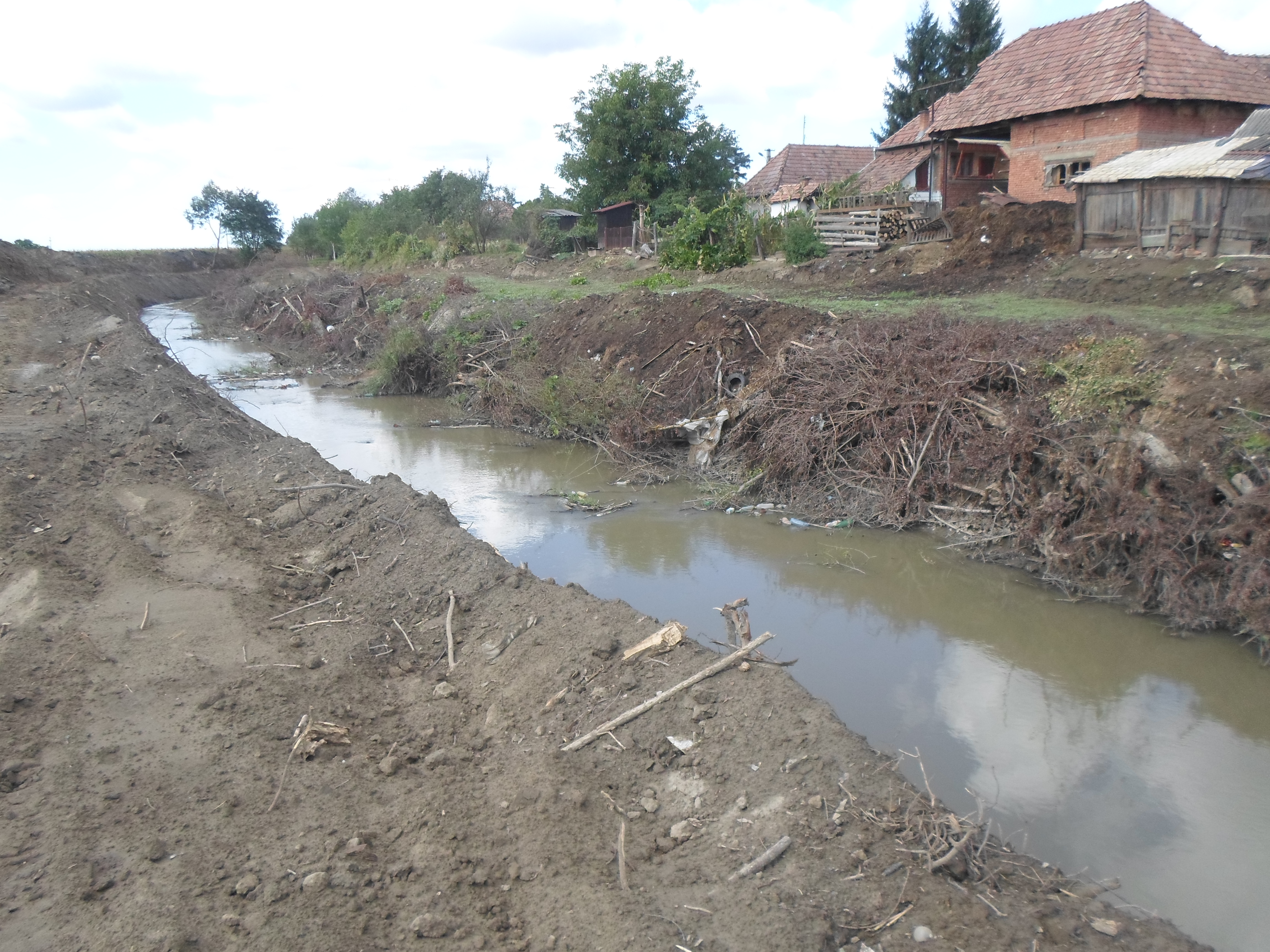
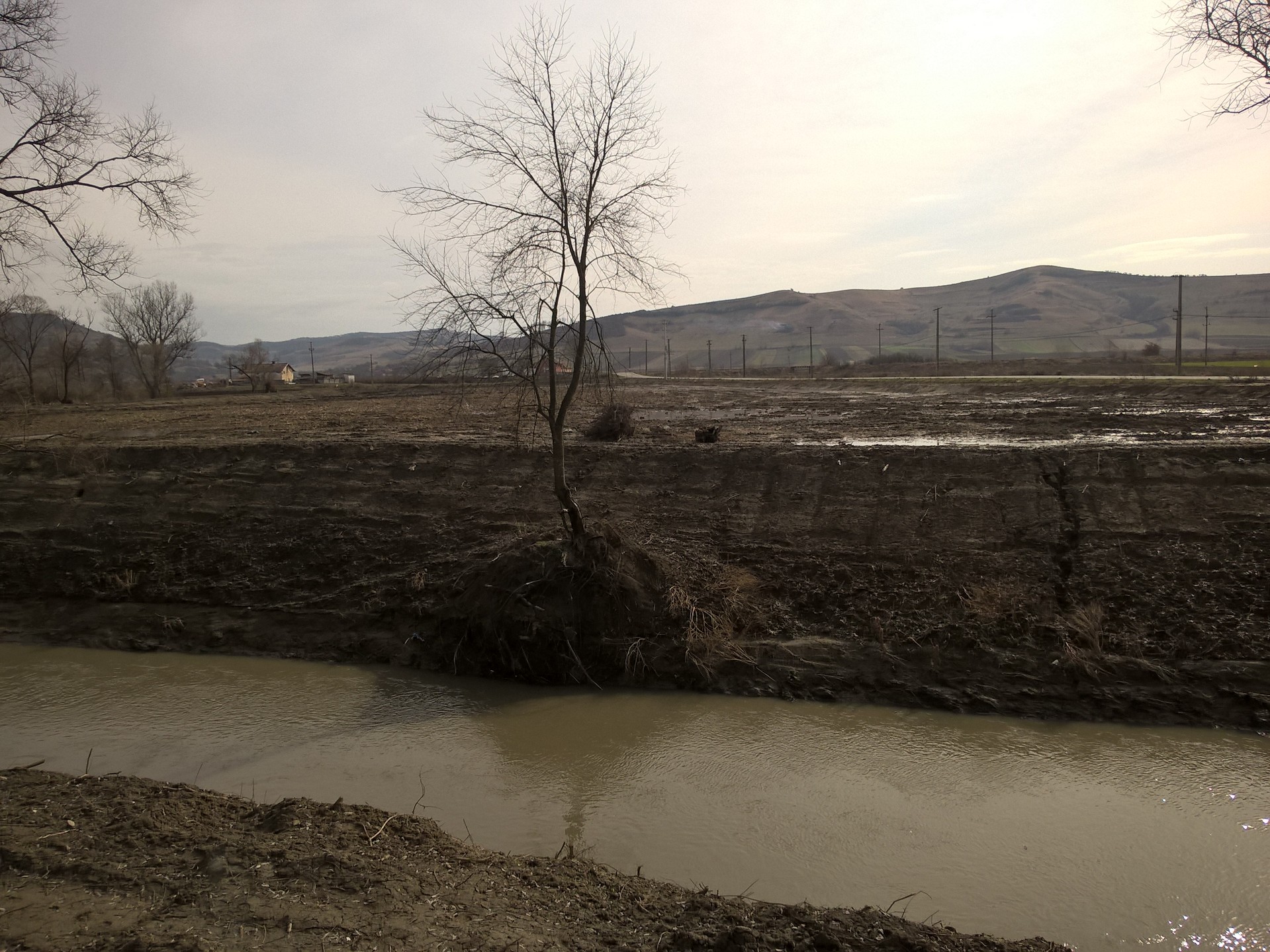
After last year’s radical river regulation works, the people of the Niraj Valley probably have little reason to celebrate. The river sustains and nourishes the community and is a source of prosperity and abundance for the region. Yet according to the implemented regulation project, the Niraj has only one role: to carry occasional floodwaters away as quickly as possible. The river defines the region’s character and connects its settlements. Its riverside vegetation, wildlife, fish and birds, swimming and fishing spots all give it a distinctive identity. A river turned into a drainage channel loses these individual qualities.
 These considerations seem unimportant to the project’s designers and contractors, and to those willing to support it in its current form out of self-interest, ambition, fear or lack of expertise. At the evaluation meeting, the project’s biologist described it as an interesting experience from which lessons would be applied to other river regulation schemes. Are fellow citizens in positions of leadership and decision-making therefore experimenting on the people of the Niraj Valley? Is reading specialist literature and case studies too difficult? The foreseeable future water shortage in the valley, the loss of its characteristic landscape and ecosystem services such as fishing, bathing and tourism, and the expected cost of maintaining the artificial system are all treated as collateral losses.
How did we reach this point, and how could this project be implemented in its present form? Clearly, the water authority bears primary responsibility for reviving a plan prepared in 1988, when an entirely different and now outdated approach to water management prevailed. But what responsibility lies with community representatives and local, county and national decision-makers? In the late 1990s and early 2000s, water management in the Niraj Valley seemed to be moving in the right direction. The Niraj was the first river in Romania with a ‘river contract’, a forerunner of an integrated water management plan. Babeș–Bolyai University in Cluj-Napoca brought students and participants in an international conference here to see good examples of community water management. Wetland restoration demonstration projects were developed, and work began on a ‘river committee’ that could have reviewed regulation plans. Sadly, this period of quiet, promising progress was replaced by something else. Perhaps by the imposition of political will from above? Certainly, the atmosphere in the Niraj Valley changed.

It is as though people forgot the river’s importance for the region’s future, especially at a time when climate change is already being felt locally, water is becoming scarcer, and agriculture plays a major role. The river provides the region’s water supply, so every water management plan and project has long-term consequences. But when short-term interests replace long-term vision, and committed specialists familiar with the area are displaced by ‘experts’ who do not know it, this is the result.

After the works, the Niraj below Gălești has lost all its distinctive features. It resembles a drainage channel that could be anywhere in the world. Perhaps it no longer deserves its name: the sometimes unruly but life-giving, muddy-blond Niraj has been banished from the region for a time. After the previous regulation works, it took 25–30 years to recover, even though those interventions were far less drastic. We hope that in another 25–30 years it will regain some of its natural character. We also hope that the people and decision-makers living in the Niraj Valley then, and its representatives in county and national bodies, will never allow today’s tragedy to happen again.
See you again in 25 years, Niraj!
Dr Zoltán Hajdu
President, Focus Eco Center
Updates