 Focus Eco Center
Water Management
Water management
Water Management
Funding through the EU cohesion policy is intended to create long-term prosperity and security in Member States.
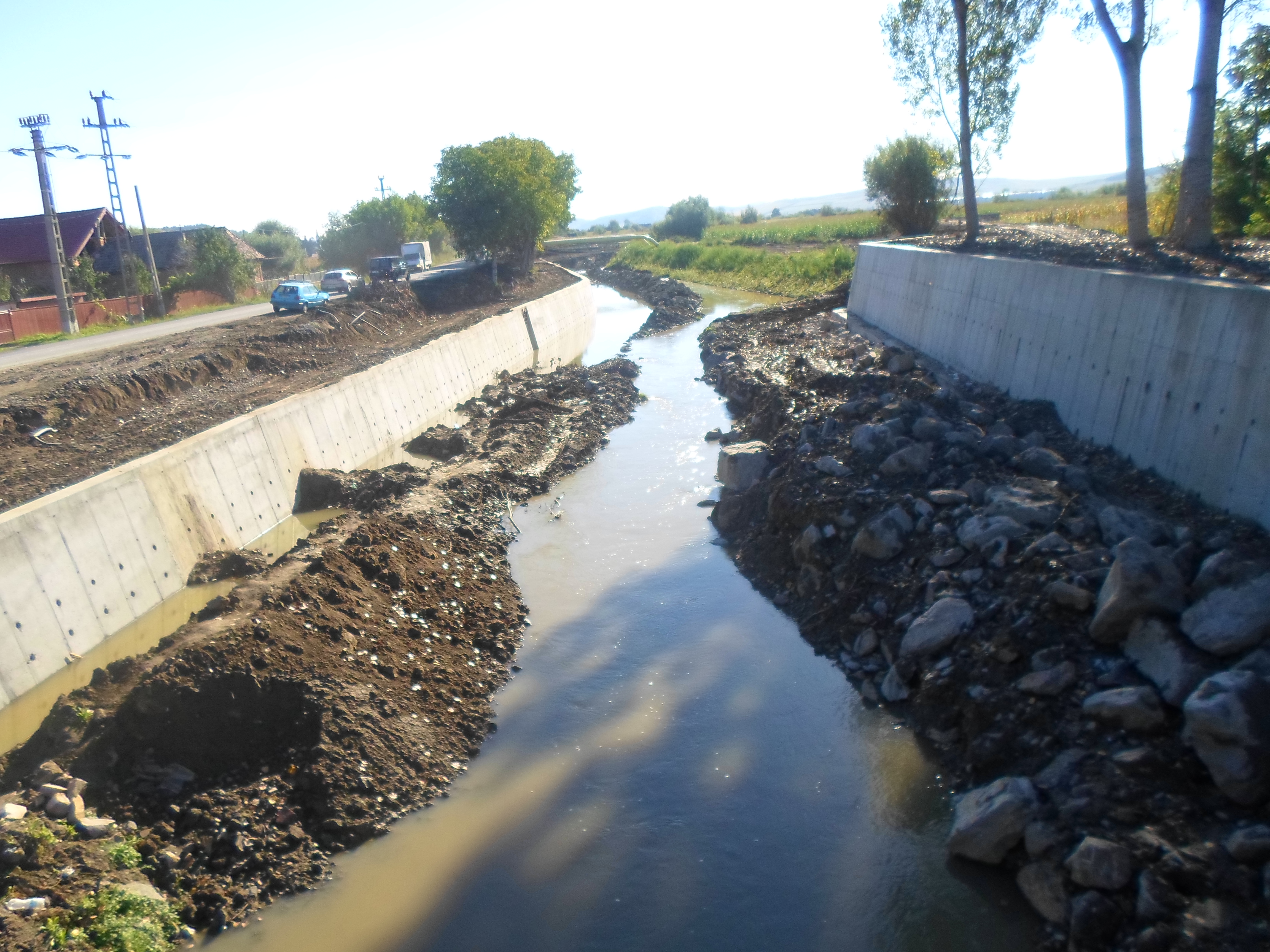
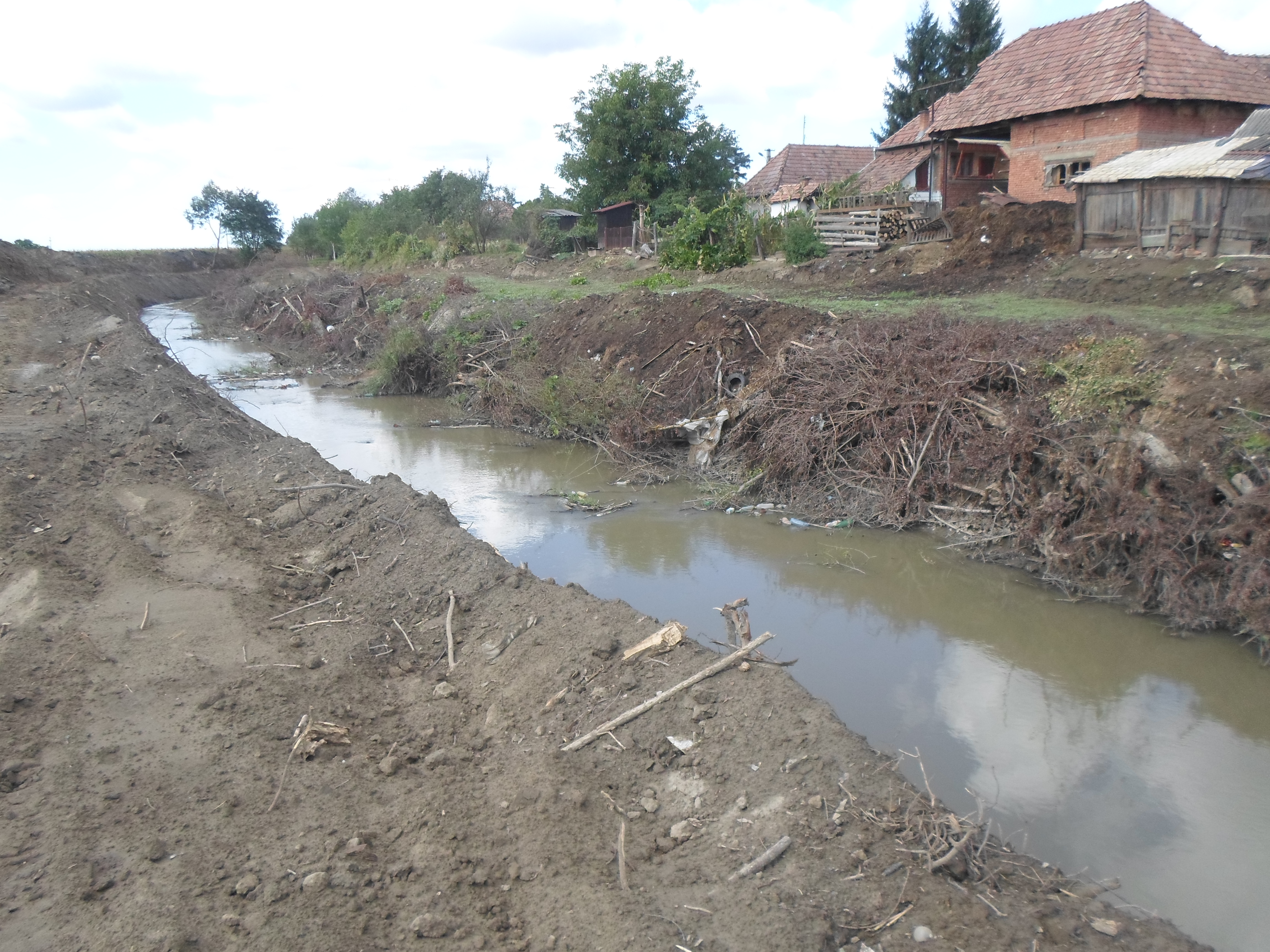
This was the aim of Priority Axis 5 of the Environment Operational Programme—“Building infrastructure to prevent natural risks in the most vulnerable areas”—and of several other EU-funded programmes. They sought to create infrastructure capable of preventing disasters caused by climate change.
Funding of more than €50 billion a year represents an exceptional, one-off opportunity for Member States. After 2026, this amount will fall sharply, to less than €20 billion a year. Funds must therefore be invested carefully, taking account of the complexity of present and future conditions. Water-related hazards are among the most significant natural risks.
The article’s main recommendations for water management are:
- Avoid single-purpose infrastructure projects and strategies.
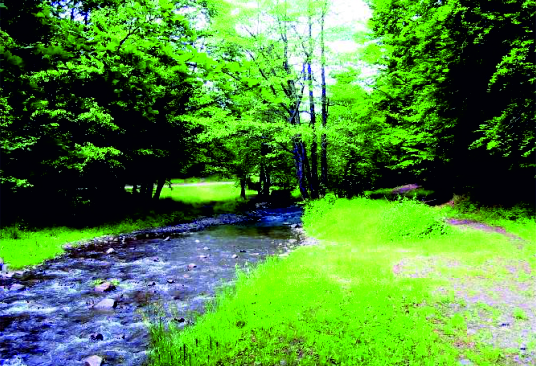
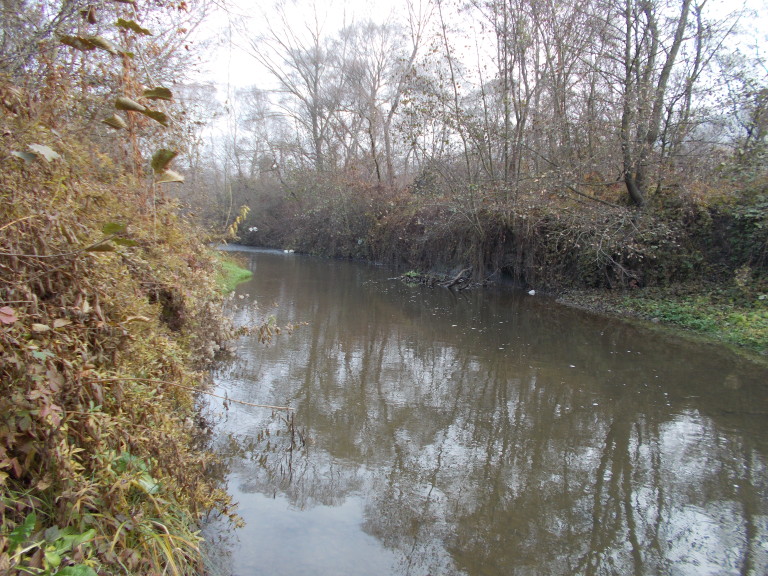
- Preserve or restore the essential functions of river basins across space and time and under changing conditions, including biodiversity, ecosystem services and the specific characteristics of each river.
- Seek win-win solutions that combine ecological integrity, assessed through environmental impact assessment, with economic use.
- Implement the Water Framework Directive with a long-term perspective, taking account of the potential effects of climate change on river basins.
- Coordinate the use, protection and restoration of river basins, including interactions between upstream and downstream sections.
- Maintain or improve hydrological and hydraulic conditions characteristic of each river type.
- Preserve or restore the continuity of wildlife and sediment; support sediment transport and river-channel morphodynamic processes so that conditions move closer to their natural state.
- Set and meet water-quality objectives that reflect the characteristics and conditions of each river.
- Collect data on transboundary rivers using common standards and consistent accuracy requirements, and make the data freely shareable.
- Assess future hydromorphological and ecological dynamics in rivers, then develop and test mitigation strategies.
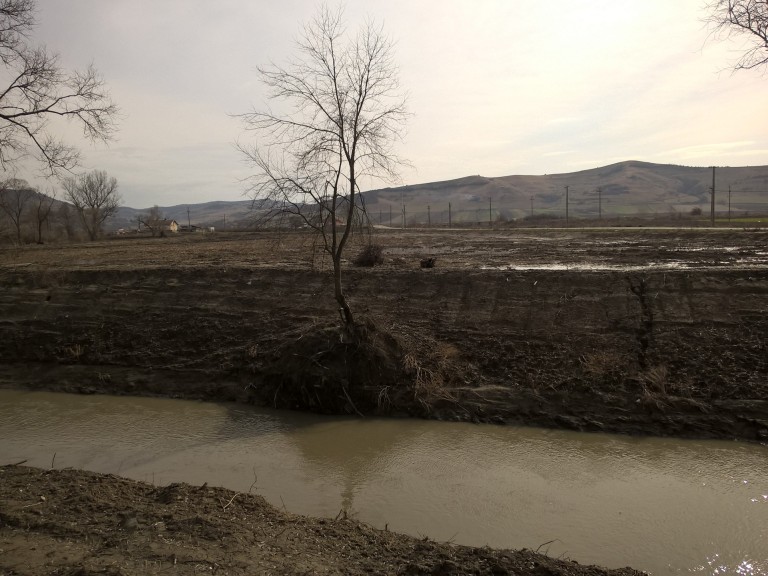
Alongside floods, drought is a major natural hazard. The European Union is addressing this risk. The European Environment Agency’s climate scenarios point to severe summer droughts in many parts of Europe, especially the south. Precipitation may also decline in other seasons and become more variable. Meteorological droughts are therefore likely to become more frequent in the coming decades. European Environment Agency: water resources.
Agency studies identify the increasing frequency of drought and water scarcity due to climate change as a high political priority. Appropriate responses must be developed in line with other parts of EU water policy. If river basin management plans and related investments ignore climate change, they may select suboptimal measures that later need costly modification.
River-basin authorities responsible for water management should therefore work with local authorities to deliver EU-funded projects that secure people’s long-term safety and wellbeing. Alongside flood protection, projects should address drought, protect biodiversity as required by the Water Framework Directive and, where possible, provide opportunities for recreation and tourism.
Updates